Industrial Welding Distortion Control Methods
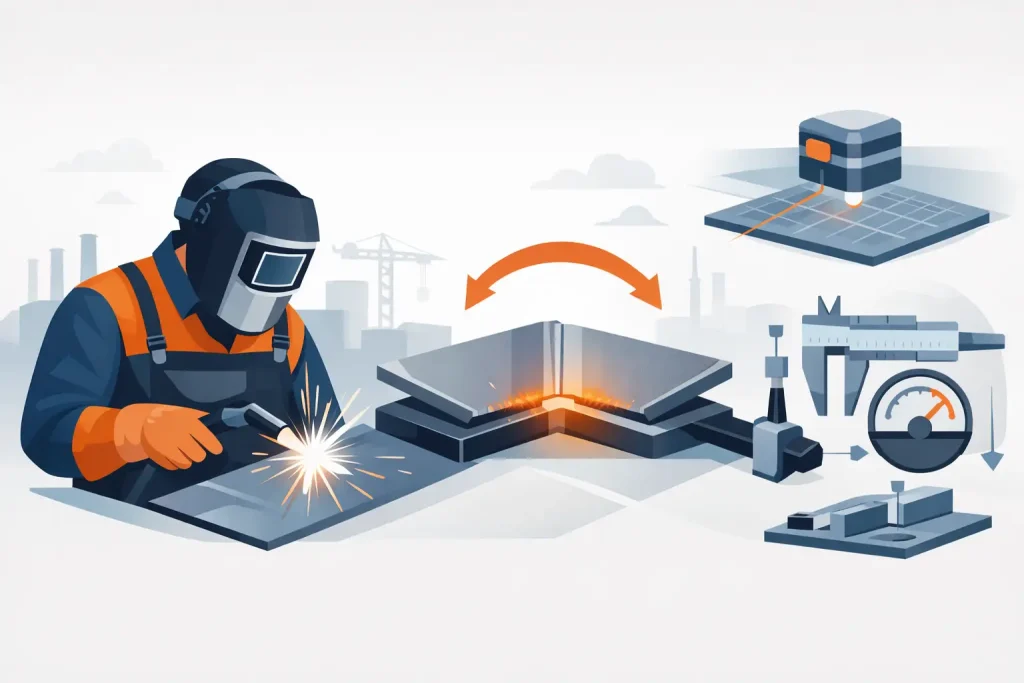
Industrial welding distortion control reduces rework and protects fit-up. Learn how planning, sequencing, restraint, and heat input improve shop accuracy.
Best Metals for Marine Castings in Service
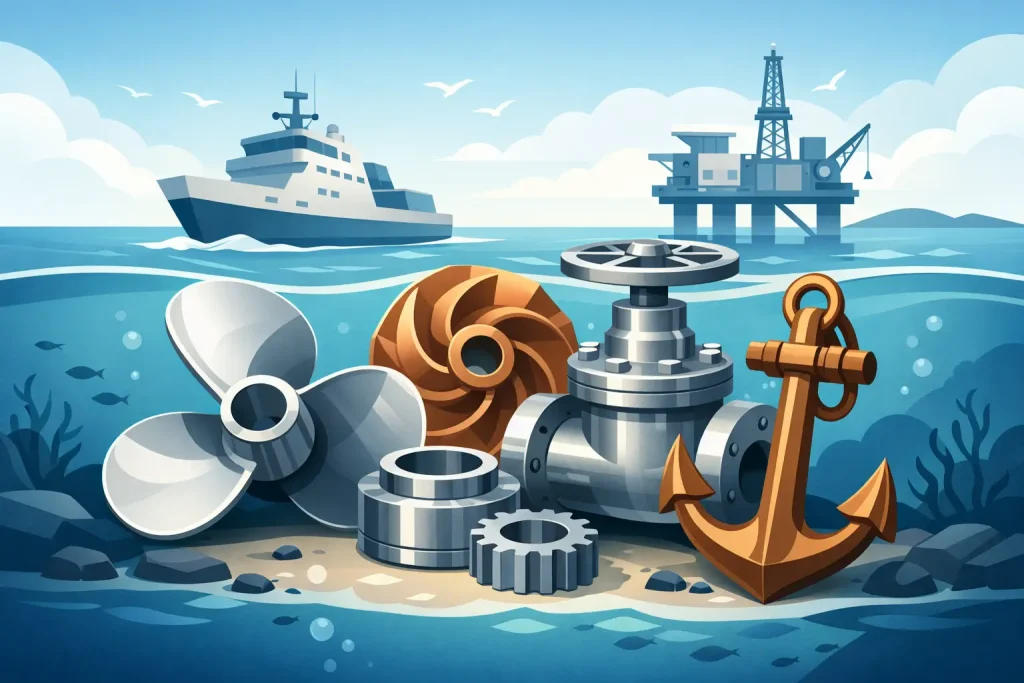
Choose the best metals for marine castings by comparing corrosion resistance, strength, galvanic compatibility, casting method, and lifecycle demands.
Precision Metal Casting for Demanding Components
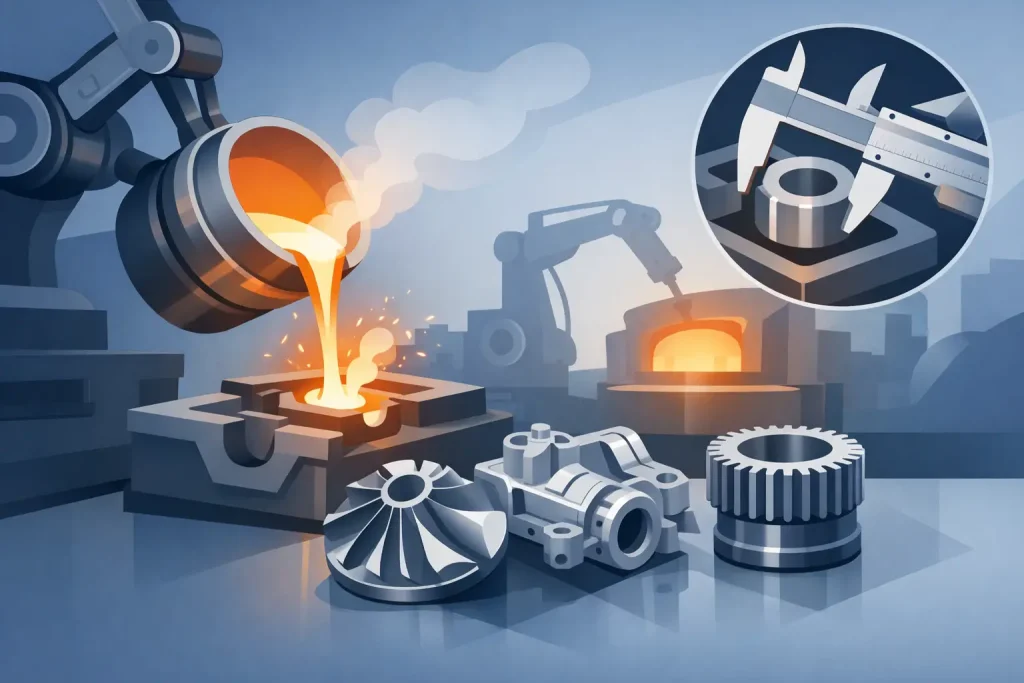
Precision metal casting delivers complex, high-integrity parts when material choice, tooling, process control, and finishing are aligned from the start.
Best Casting Methods for Housings in Industry
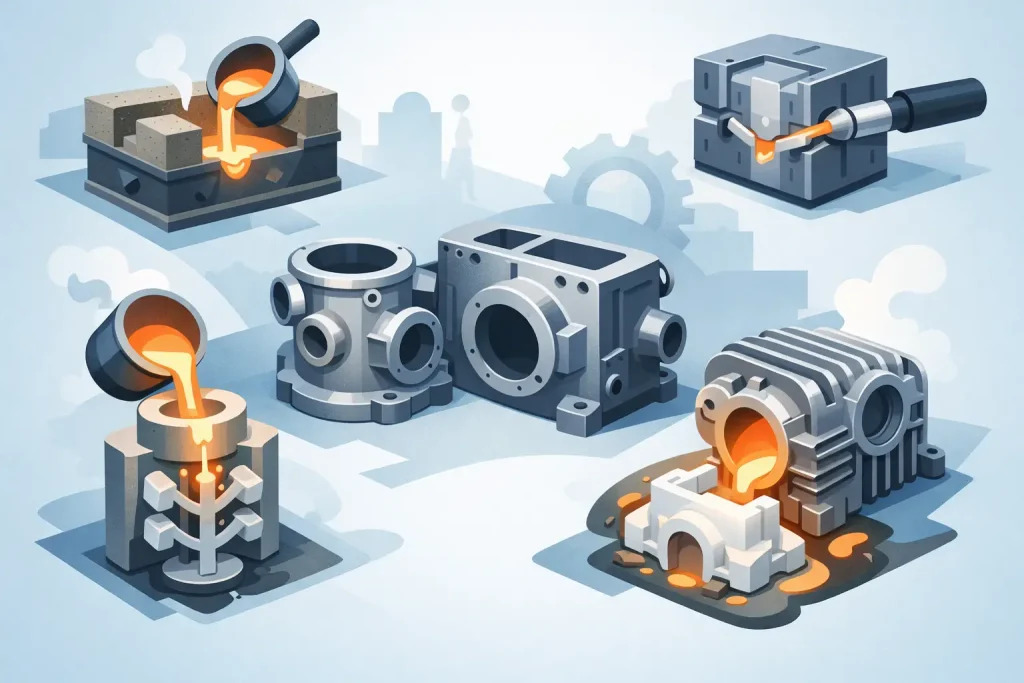
Compare the best casting methods for housings by alloy, geometry, volume, tolerance, and machining needs to specify durable industrial components at scale.
Foundry Machining Integration Benefits for Buyers
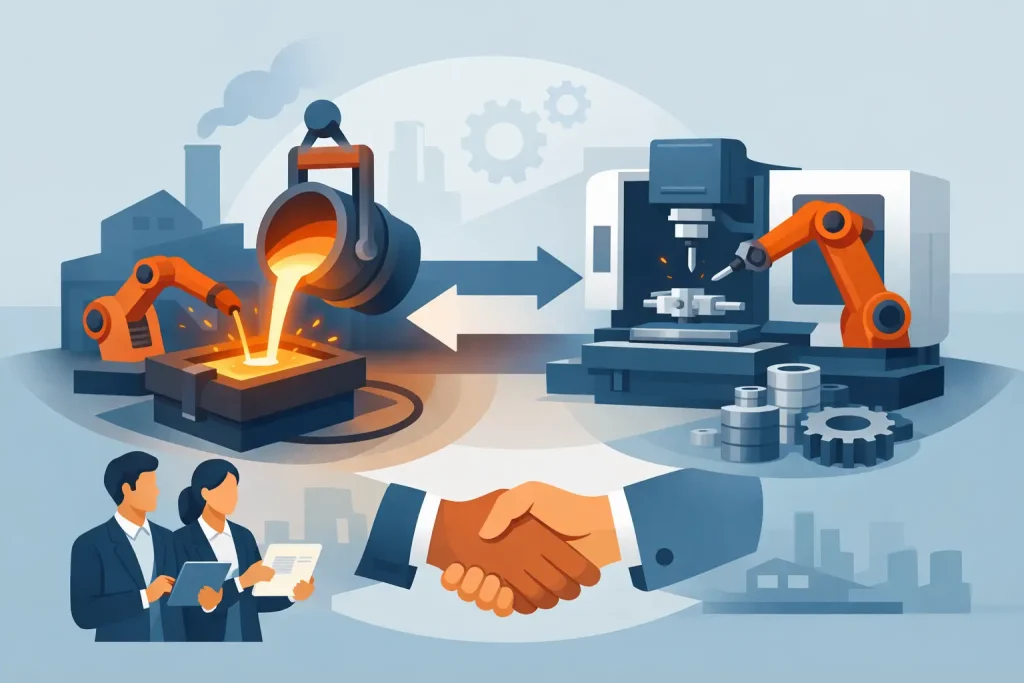
Foundry machining integration benefits include better quality control, shorter lead times, fewer handoffs, and dependable delivery for custom metal parts.
Oil and Gas Castings for Critical Service
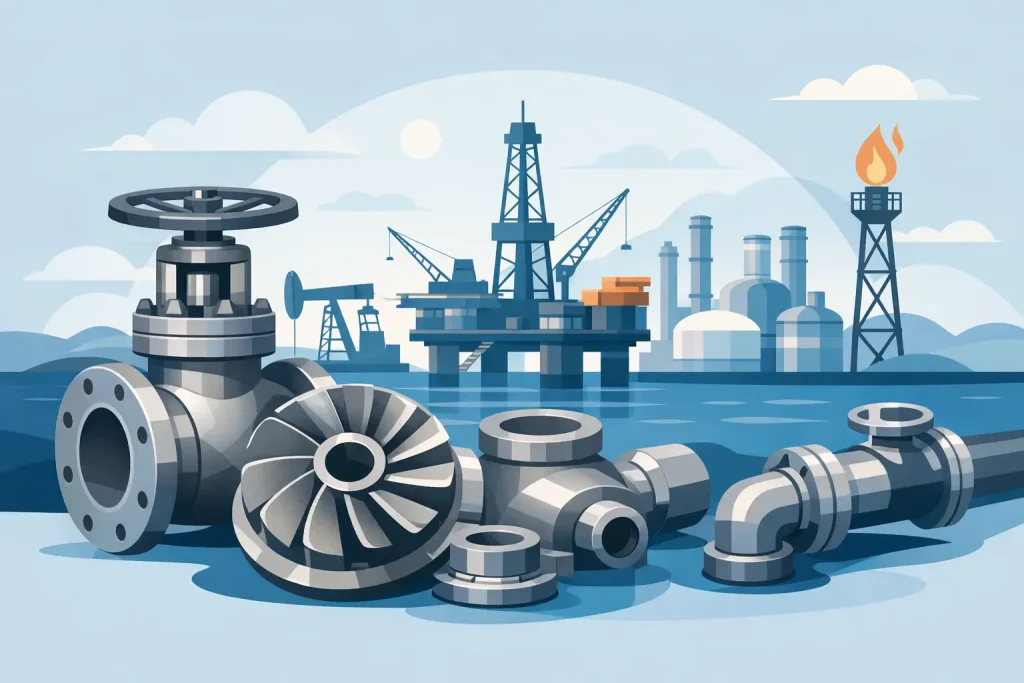
Oil and gas castings must perform under pressure, heat, corrosion, and wear. Learn how material, process, and inspection choices protect uptime in service.
Best Foundry Partner Selection Criteria That Matter

Use the best foundry partner selection criteria to assess process fit, quality controls, capacity, communication, and total manufacturing value for parts.
Machining Tolerances for Cast Parts Explained
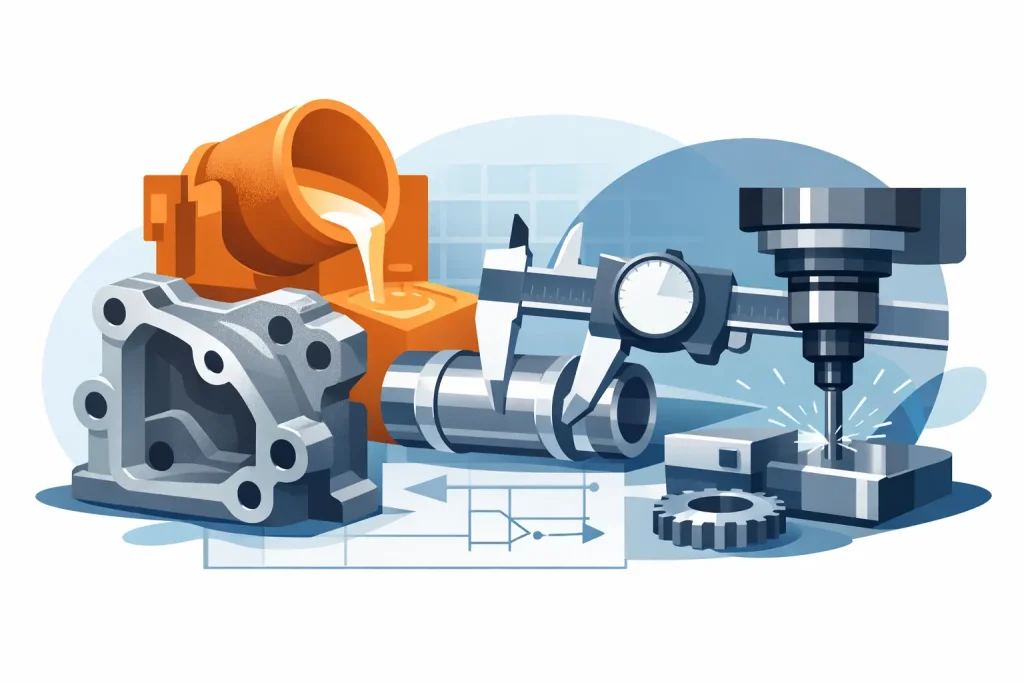
Set practical machining tolerances for cast parts by aligning casting capability, datum strategy, stock allowance, inspection checks, and part function.
Best Materials for Valve Bodies
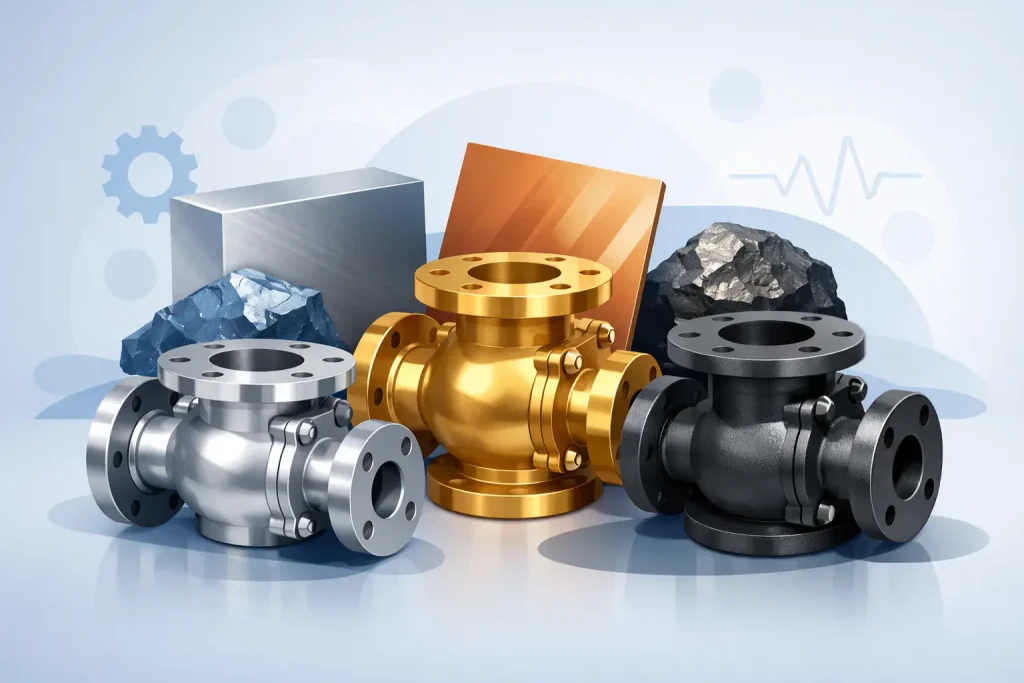
Learn the best materials for valve bodies based on pressure, corrosion, media, and cost. Compare steel, iron, bronze, and stainless.
How to Choose a Metal Fabrication Partner
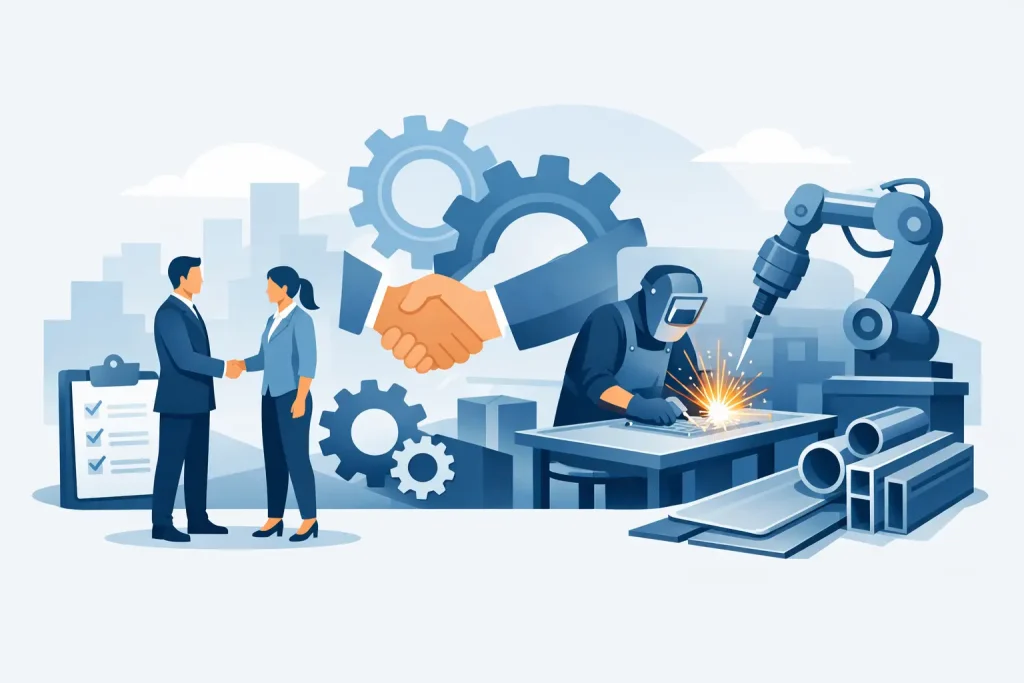
Choose a metal fabrication partner that meets specs, reduces delays, and supports casting, machining, welding, and finishing in one workflow.