Top Foundry Inspection Methods for Reliable Castings
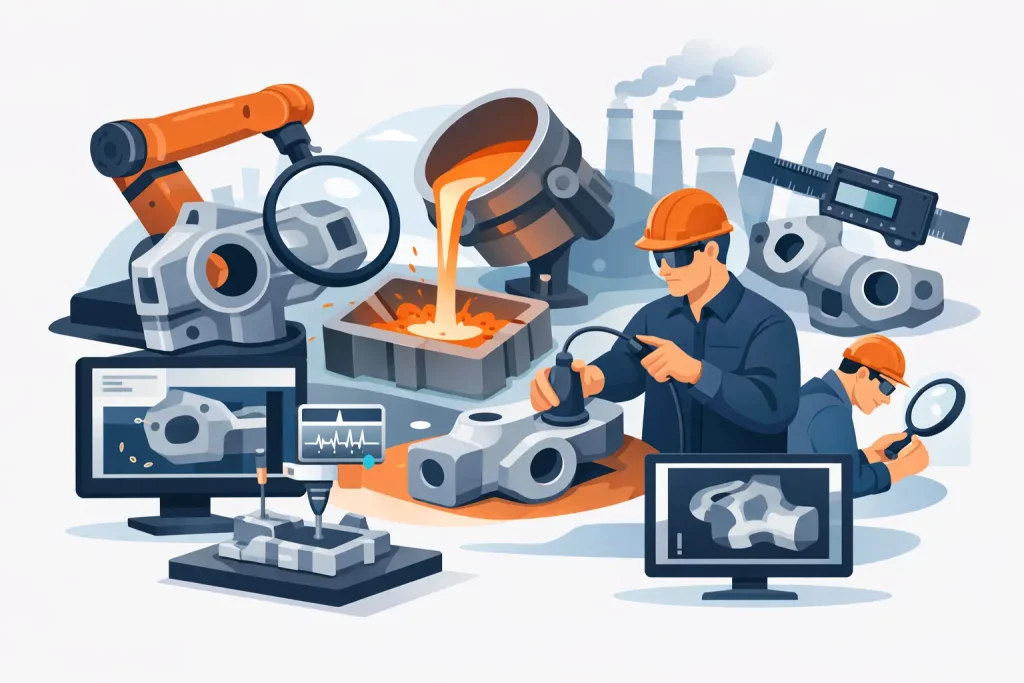
Top foundry inspection methods help industrial buyers verify casting integrity, dimensional accuracy, and material quality before parts enter service.
Can Castings Be Welded Successfully? Key Factors
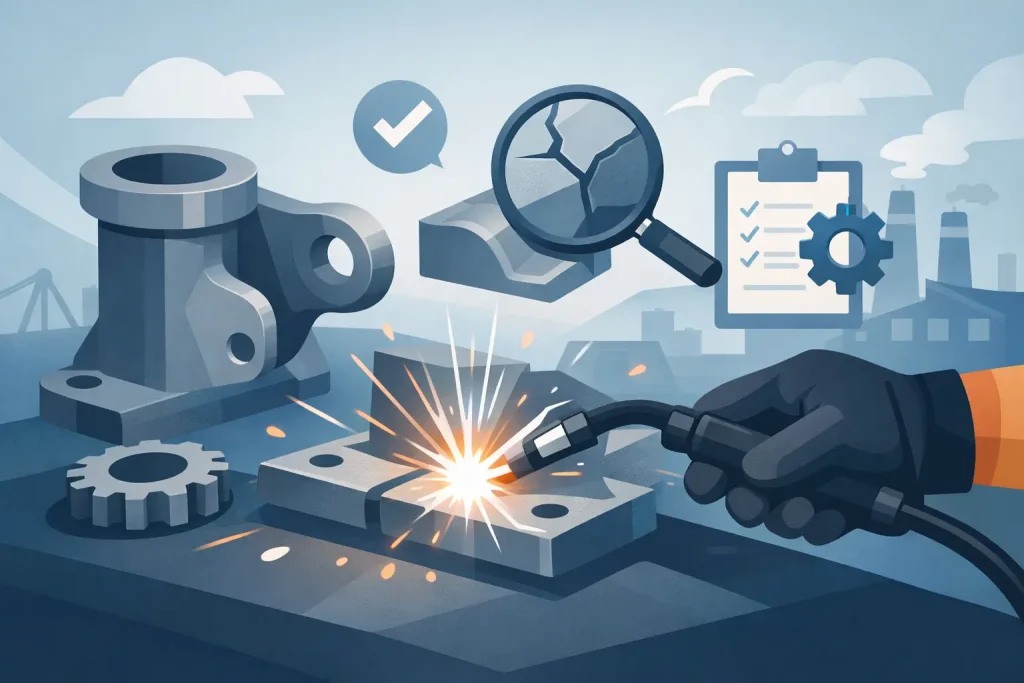
Can castings be welded successfully? Learn how alloy selection, defect control, preheat, filler metal, and inspection determine repair quality in service.
How to Prevent Hot Tearing in Metal Castings
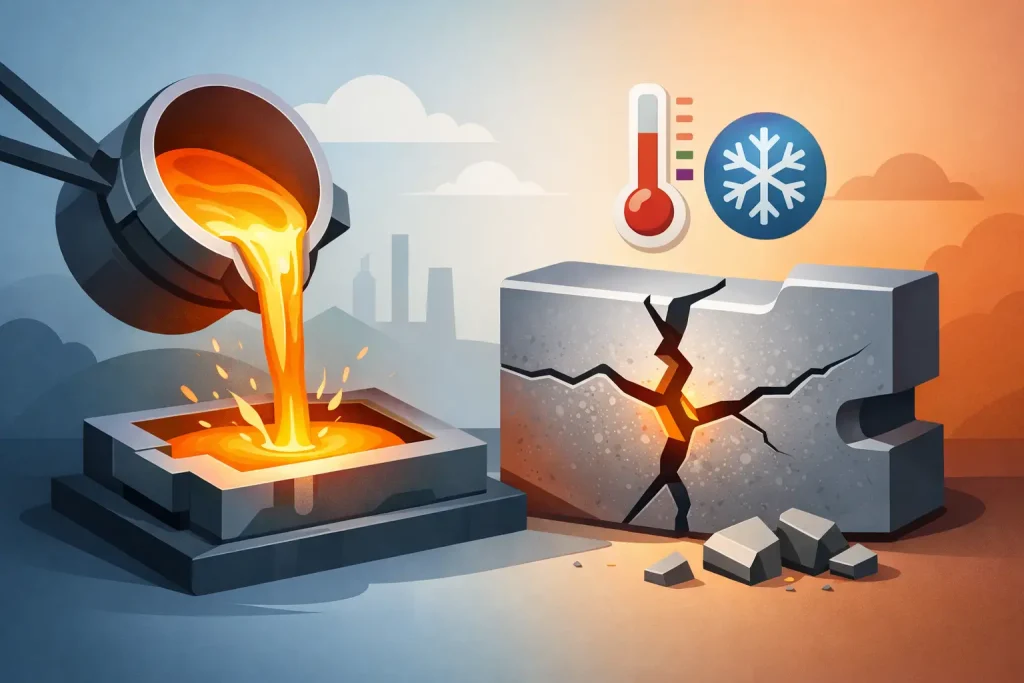
Learn how to prevent hot tearing through alloy selection, mold design, feeding, and process control for high-integrity metal castings at scale.
What Is Casting Shrinkage in Metal Foundries?
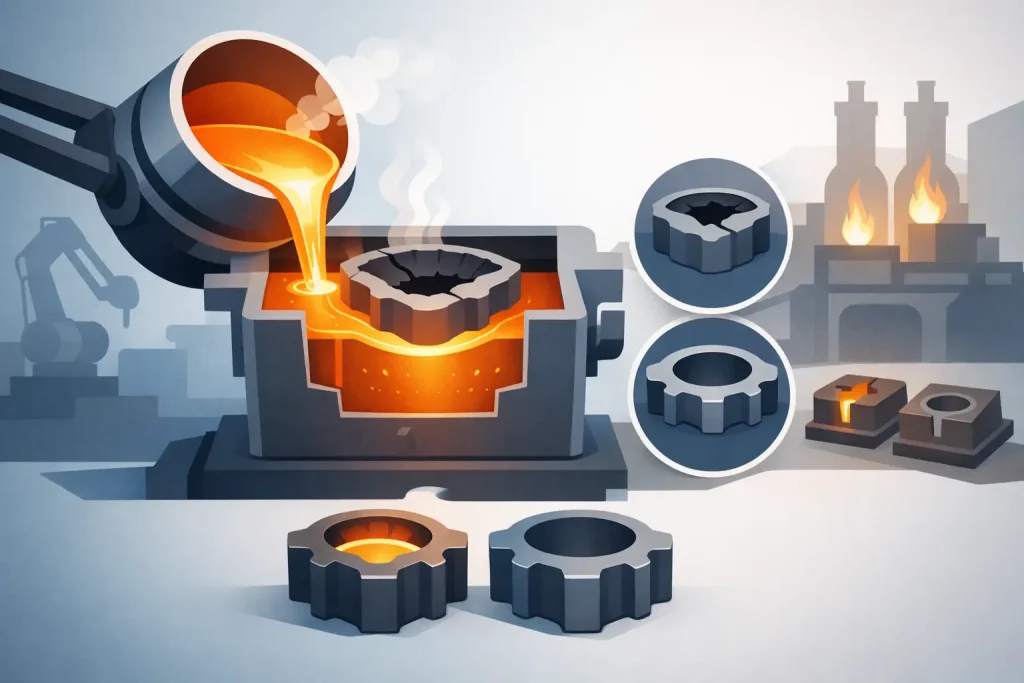
What is casting shrinkage? Learn how metal contraction affects dimensions, porosity, and tooling decisions in precision casting and foundry production.
Digital Foundry Trends Reshaping Metal Casting

Digital foundry trends are changing how industrial teams quote, produce, inspect, and trace cast parts without replacing sound process control at scale.
Lost Wax Versus Die Casting for Industrial Parts
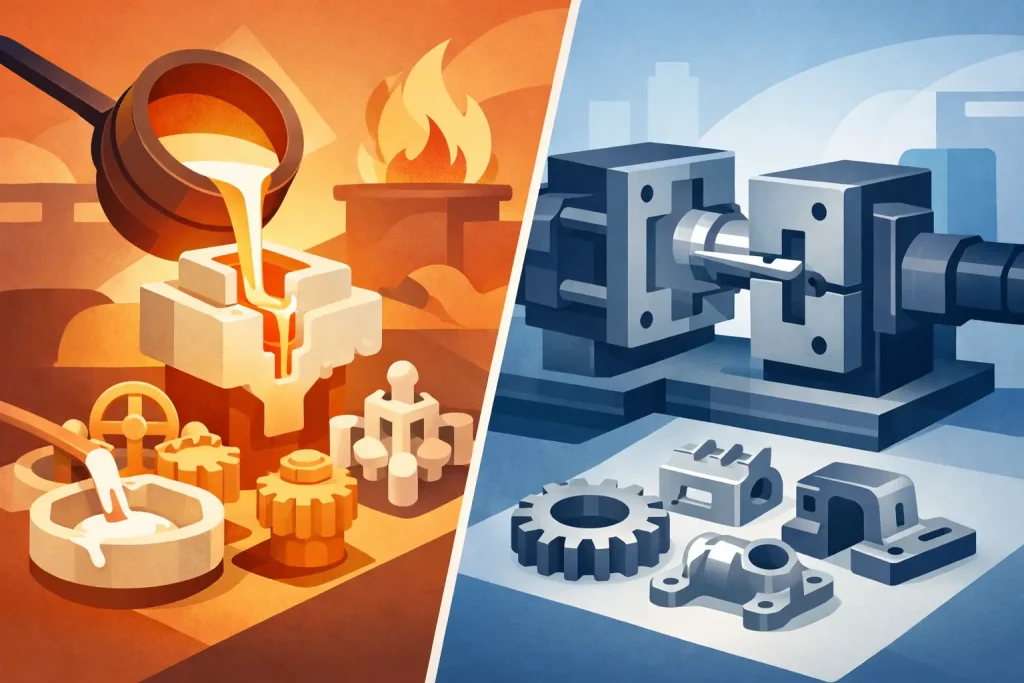
Compare lost wax versus die casting for tolerances, alloys, volume, tooling cost, and lead time to select the right process for industrial parts reliably.
Cast Iron Pump Housings for Industrial Duty
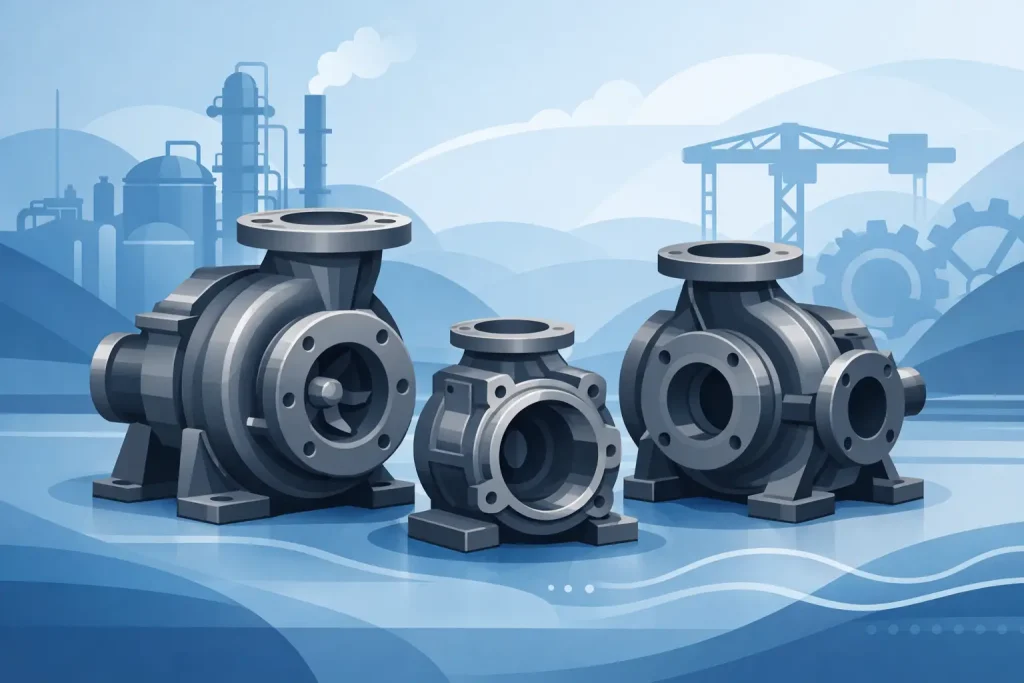
Learn how cast iron pump housings are specified, cast, machined, and inspected to support reliable industrial pumping service and lower lifecycle risk.
Essential Casting Design Rules for Reliable Parts
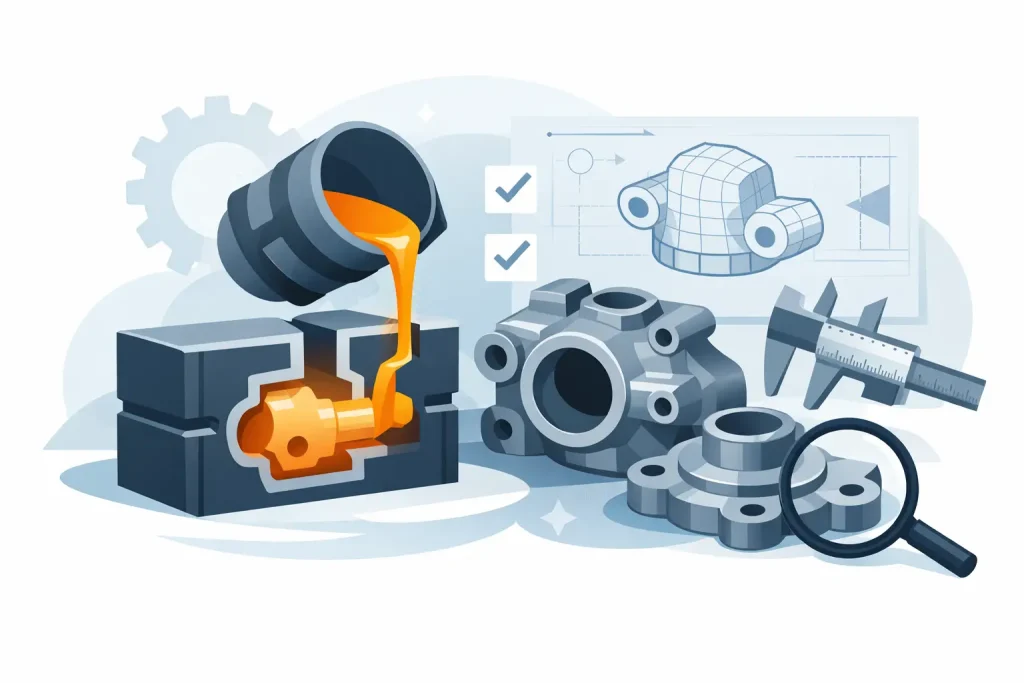
Apply essential casting design rules to reduce defects, control cost, improve machinability, and specify reliable metal components for production at scale.
Casting Traceability Requirements Guide for Buyers
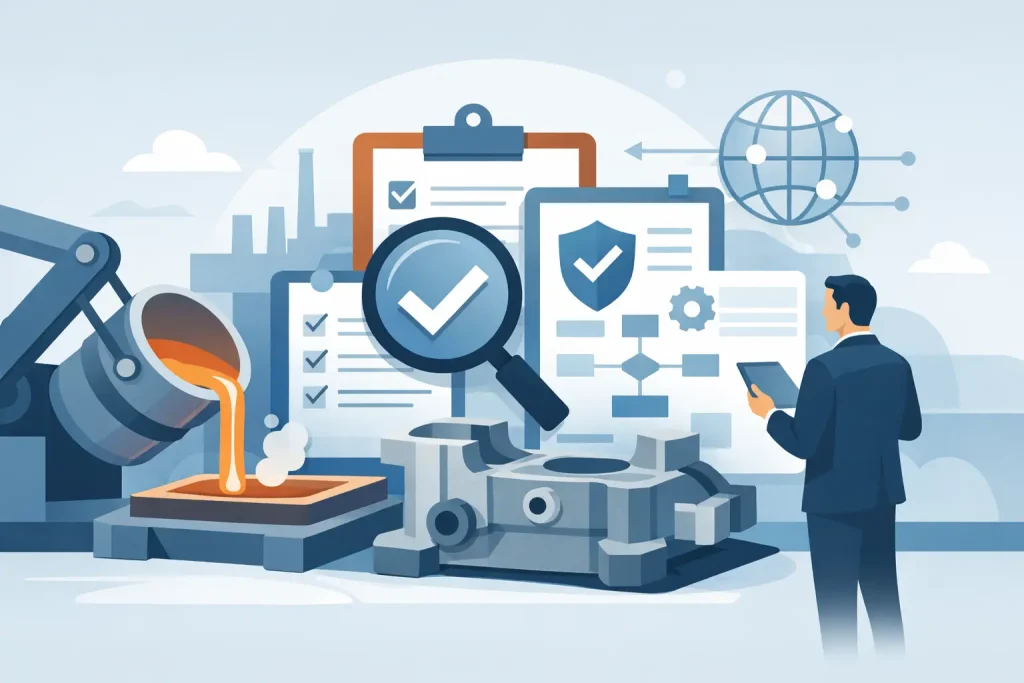
Use this casting traceability requirements guide to define records, controls, and supplier evidence for reliable, specification-compliant metal castings.
What Materials Suit Corrosive Environments?
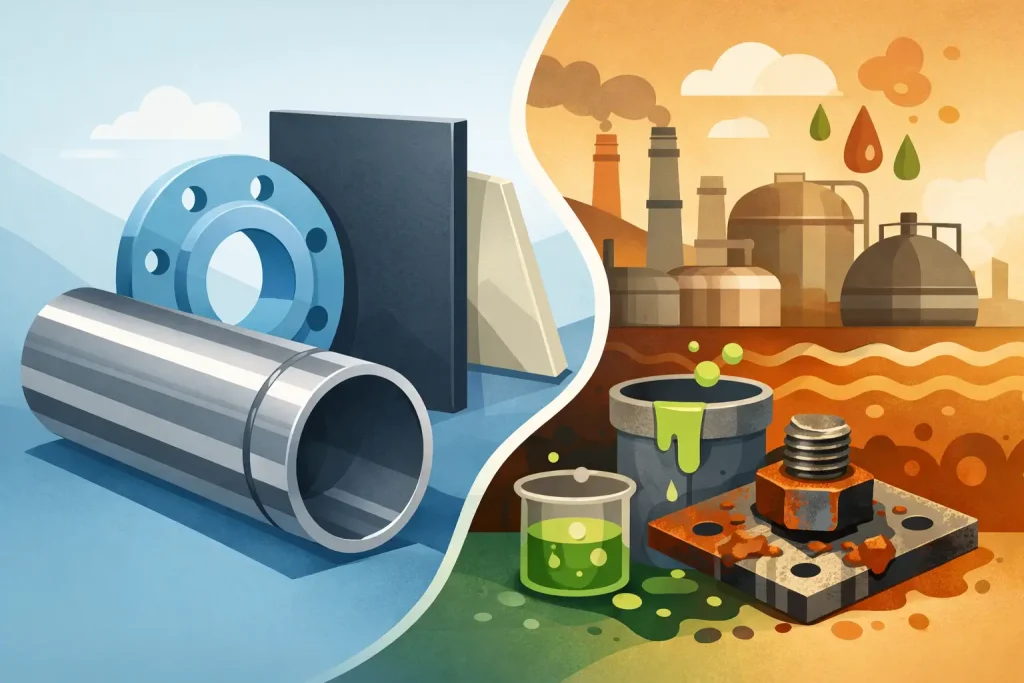
Learn what materials suit corrosive environments by matching alloys, nonmetals, coatings, and fabrication details to chemical and service conditions.