Cast Iron vs Ductile Iron: Key Differences
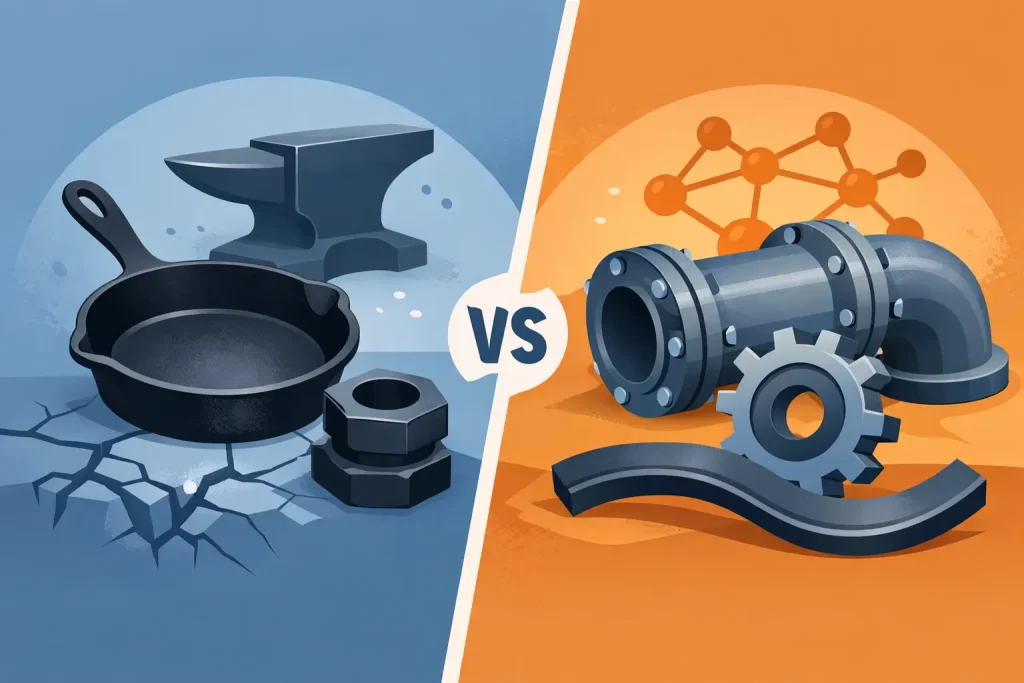
Cast iron vs ductile iron: compare strength, machinability, cost, and use cases to choose the right material for industrial cast parts.
Metal Casting Defects and How to Prevent Them
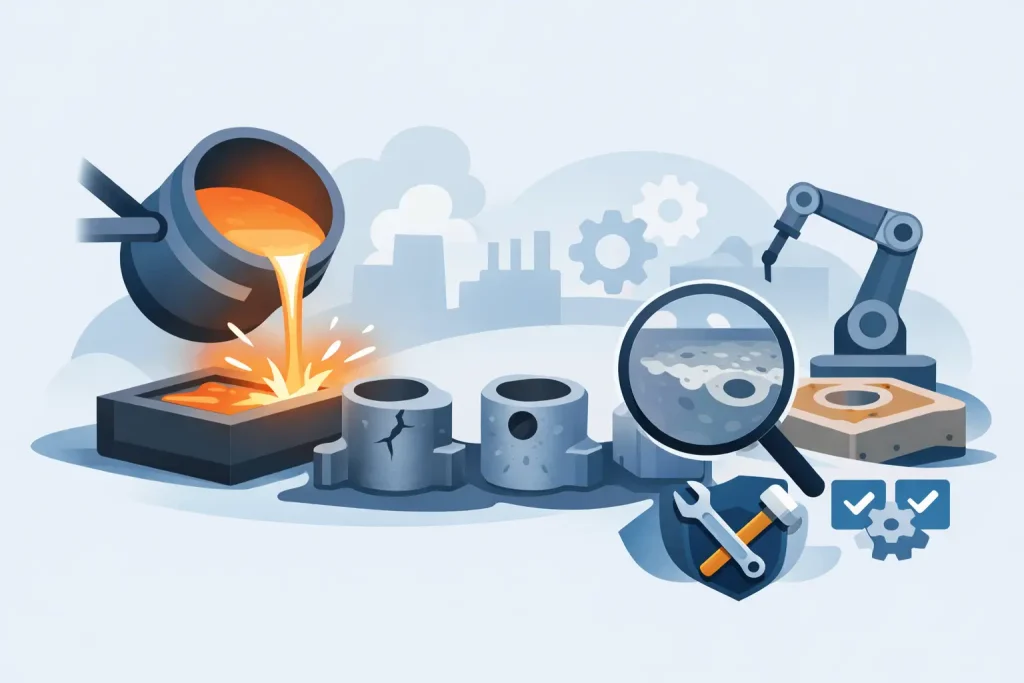
Metal casting defects can disrupt quality, cost, and delivery. Learn common causes, prevention methods, and what buyers should ask foundries.
When to Use Investment Casting
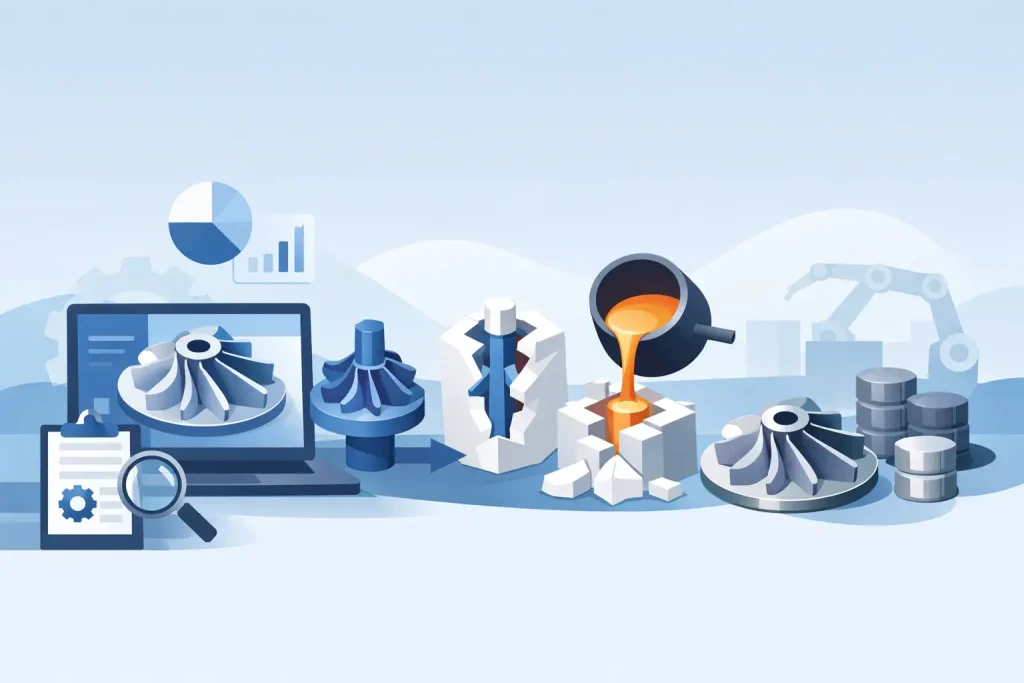
Learn when to use investment casting for complex metal parts, tight tolerances, fine finishes, and lower machining needs in production.
How to Reduce Casting Defects
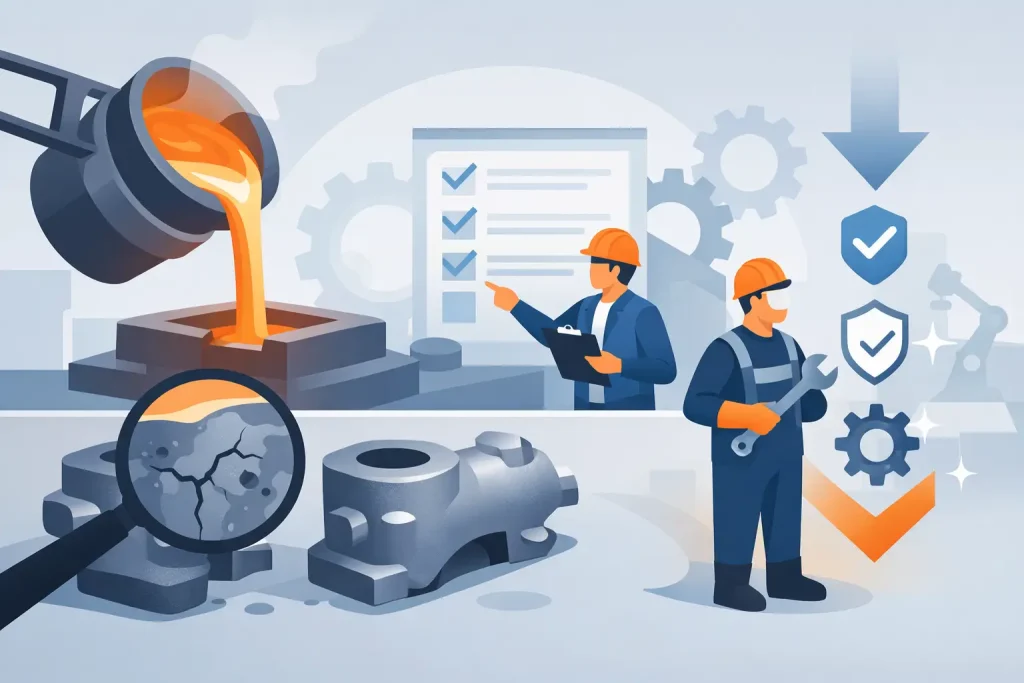
Learn how to reduce casting defects with better design, gating, melting, mold control, and inspection to improve yield and part quality.
How Custom Cast Steel Parts Reduce Risk
Custom cast steel parts help industrial buyers meet strength, tolerance, and supply goals while reducing rework, lead-time risk, and sourcing gaps.
How to Source Custom Castings Right
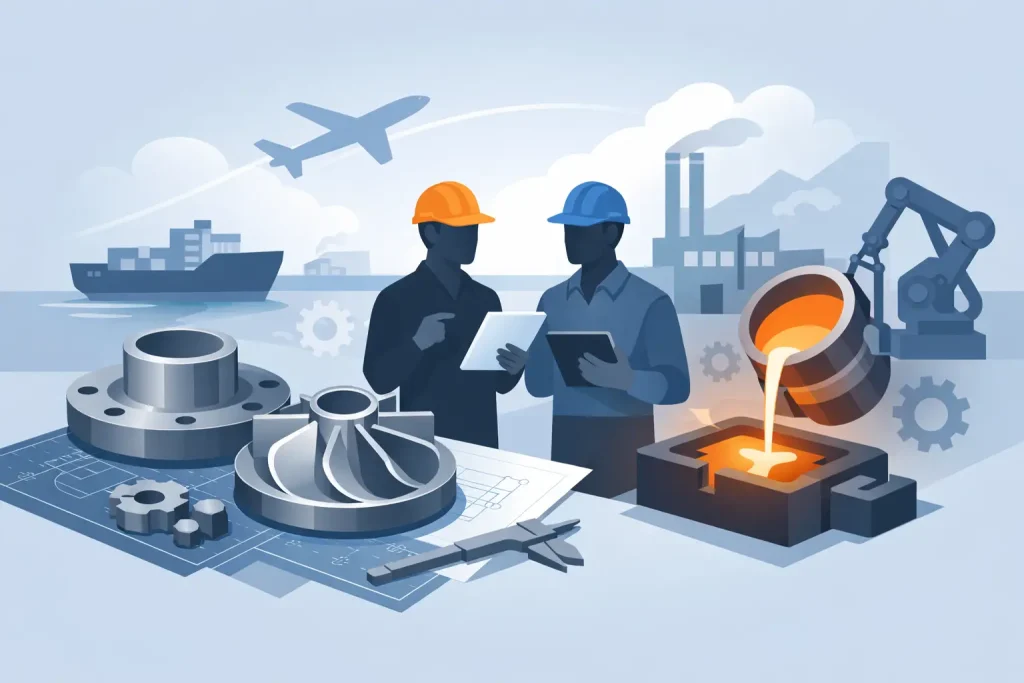
Learn how to source custom castings with the right process, material, tolerances, and supplier checks to reduce risk, cost, and delays.
Foundry Quality Control Standards That Matter
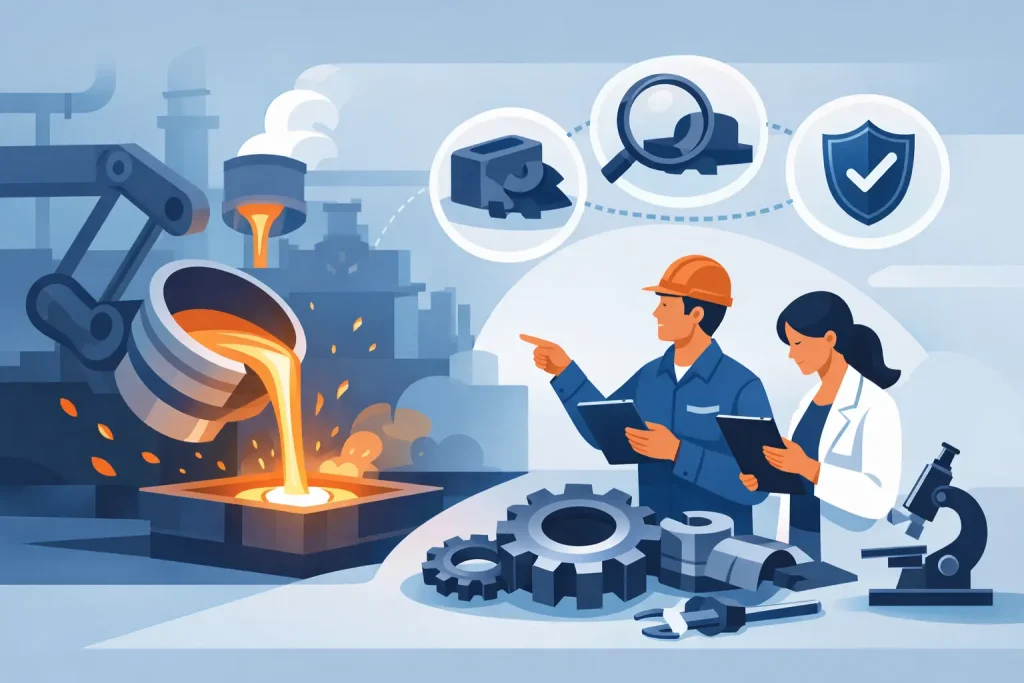
Foundry quality control standards shape casting quality, traceability, and consistency. Learn what buyers should verify before production begins.
Why Choose a Single Source Manufacturing Partner
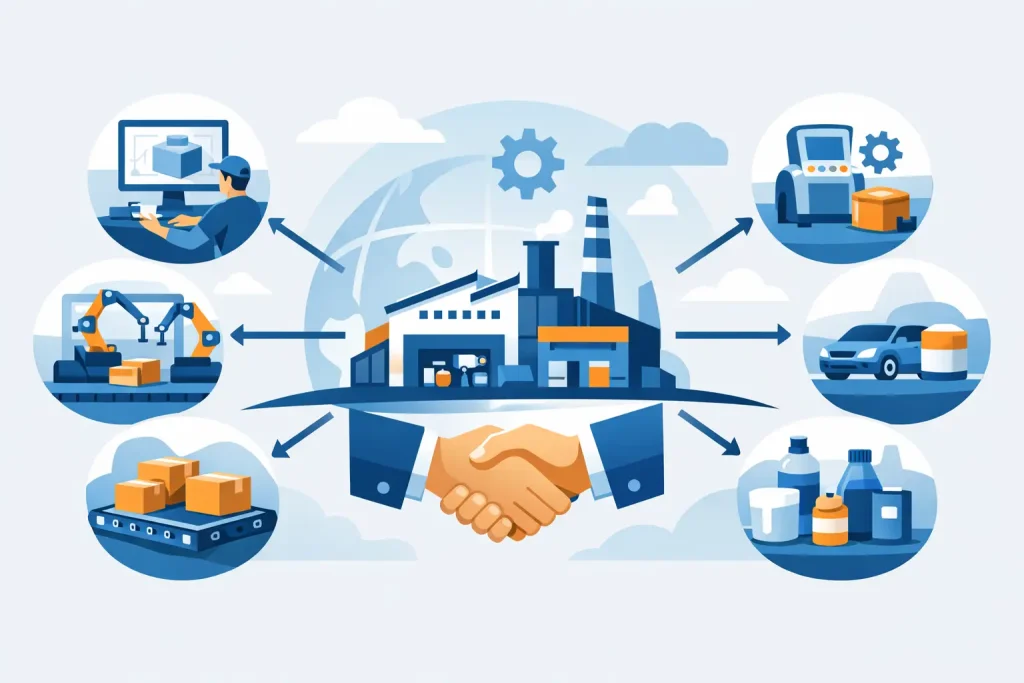
See how a single source manufacturing partner reduces sourcing risk, improves quality control, and streamlines complex industrial production.
Precision Foundry Services That Reduce Risk
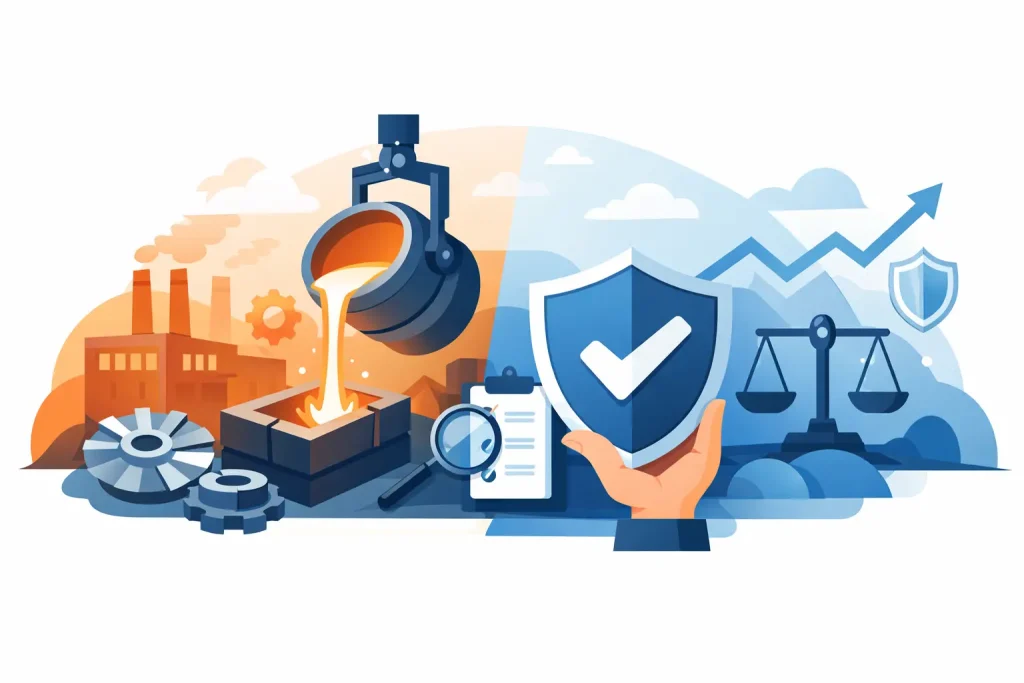
Precision foundry services help industrial buyers improve part quality, reduce supplier risk, and streamline casting, machining, and finishing.
Investment Casting vs Sand Casting
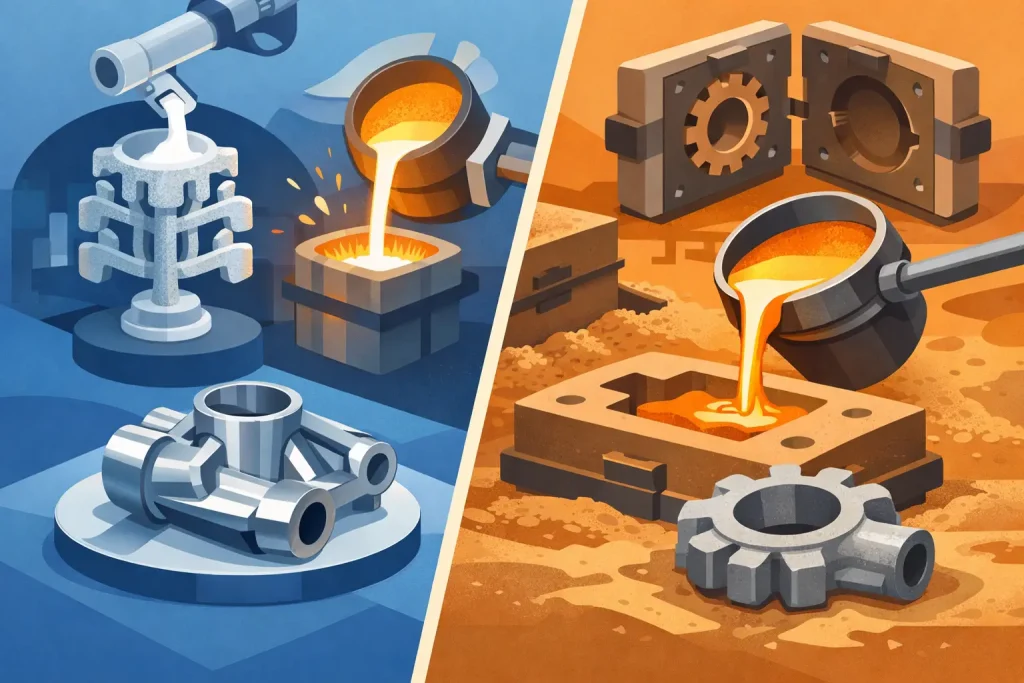
Compare investment casting vs sand casting on cost, tolerances, surface finish, size, and lead time to choose the right process.